Interview
Kateryna Kazachkova
AMTOSS, Canada
As Head of Design at AMTOSS, Kateryna Kazachkova focuses on transforming heavy, technical industries through products built with clarity and intention. Her approach grows from empathy, structured thinking, and a belief that even the most technical products can feel calm, human, and easy to navigate.
1 Congratulations on your achievements in the NYX Awards! Could you start by introducing yourself or your agency? Can you also share a bit about your journey into your current industry?
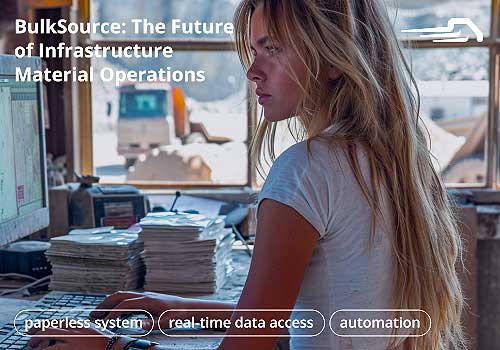
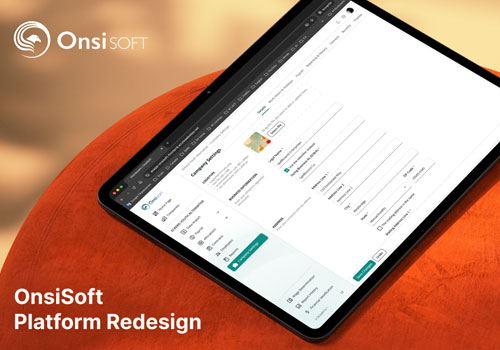
My name is Kateryna Kazachkova, and I’m the Head of Design Department at AMTOSS, where we create large-scale B2B platforms such as BulkSource and OnsiSoft. I began my journey in design almost a decade ago, starting with graphic design and gradually moving toward product design — a space where creativity meets business logic. Over the years, I’ve learned that good design is not about decoration; it’s about communication, empathy, and systems thinking. My passion for experimenting with hypotheses and exploring new ideas led me to this field. This mindset helps me navigate complex systems and find clarity within them. Today, together with our team at AMTOSS, we focus on transforming industries that are often considered “too technical” for design — proving that even the most complex tools can be intuitive, aesthetic, and human.
2 What inspired you to submit your work for this competition, and what does winning mean to you personally and professionally?
I submitted our work because I believe stories like ours deserve to be seen — stories about design that quietly improve complex systems rather than chasing trends. I wanted to show that even highly technical B2B products can be meaningful, beautiful, and emotionally intelligent. Winning this award feels like a conversation with the global design community — a chance to share what we’ve learned and to be inspired by others who are also building with empathy and purpose. On a personal level, it’s deeply fulfilling. It’s not about trophies or prestige — it’s about knowing that our work matters, that it brings value to people who might never think of design as something made for them.
3 Can you share the story behind your success? What inspired its creation, and what do you feel it represents in today’s industry?
The story behind my success is closely tied to my own evolution as a designer. I started my career in graphic design — focusing on visuals, composition, and emotion. But over time, I realized that what fascinated me most was how systems work and how design can simplify them. When I began working on BulkSource, I stepped into the world of logistics — complex, fragmented, and full of manual routines. It taught me how to translate business logic into clarity and flow. Later, OnsiSoft challenged me to go even deeper: to make something as rigid and stressful as government compliance feel calm, trustworthy, and human. These experiences shaped the way I think about design today. To me, it’s not about trends or aesthetics — it’s about responsibility, empathy, and bringing order to the places where people least expect it.
4 What do you believe set your project apart in such a competitive field? Were there specific elements or strategies that made it shine?
What set these projects apart wasn’t just visual polish — it was clarity of thinking. I believe the real strength of design lies in understanding how people think and what slows them down. For BulkSource, I focused on creating a sense of flow in an industry that used to feel fragmented and heavy. Every screen, label, and interaction was designed to reduce cognitive load — to help users understand where they are and what comes next. With OnsiSoft, the strategy was to bring emotional balance into a product built around stress — using calm colors, clear hierarchy, and predictable logic to replace anxiety with confidence. In both cases, the success came from the same principle: empathy and structure can coexist. Design can be both human and systematic — and that balance is what made these projects truly shine.
5 Every project has its challenges. Can you share a significant obstacle you faced during this process and how you overcame it?
The biggest challenge was designing for clarity in environments that resist simplicity. Both projects — BulkSource and OnsiSoft — involved dozens of stakeholders, strict business rules, and years of existing habits. It wasn’t just a design task; it was about aligning people’s perspectives. At first, every decision felt like a negotiation — between what users needed, what the business required, and what was technically possible. I learned that communication is as critical as design itself. I started involving teams early, showing low-fidelity ideas and explaining the reasoning behind each decision. That transparency slowly built trust — and trust made collaboration easier. In the end, the hardest part wasn’t simplifying the interface; it was simplifying the process behind it.
6 Winning an award of this caliber often brings recognition. What do you hope this achievement will mean for your career, your team, or your agency in the long run? Have you already noticed any changes or opportunities arising from this recognition?
Winning this award feels like a quiet milestone — a reminder that thoughtful design has value even in spaces where it’s not always visible. I hope it helps more people understand that design is not about decoration; it’s about shaping how systems and people interact. For me personally, it opens new conversations. I’ve already received invitations to collaborate, share experience, and mentor others — and that’s something I truly value. Professionally, it’s also a signal: that even when you work in a niche field like enterprise B2B, your impact can still be seen and appreciated globally. It gives me motivation to keep building, keep experimenting, and keep proving that good design can live anywhere.
7 What has the reaction been from clients, audiences, or stakeholders about your winning entry? Any feedback or memorable moments that stand out?
One of the most memorable moments came from a stakeholder who told me that clients often choose BulkSource because it looks and feels better than our competitors’ platforms. That feedback meant a lot — it showed that design had become a visible advantage, not just an internal improvement. It’s rewarding to see that users now associate clarity and visual harmony with trust. When people feel that a product “makes sense,” they naturally believe in it more. For me, that’s the best kind of recognition — when design silently changes perception and helps a business grow.
8 For those aspiring to achieve similar success, what advice would you offer to help them not only thrive in their industries but also craft compelling, award-worthy entries? Are there specific practices, mindsets, or strategies you believe are key?
My main advice is simple: don’t design for awards — design for people. The best projects are born from curiosity, empathy, and the willingness to solve something real. If the result is meaningful, recognition will follow naturally. Second, document your process. Awards celebrate not only what you created but how you created it — the thinking, iterations, and decisions behind every screen. Keeping that story alive helps you see your own growth. And finally, stay brave. Many designers stop at “good enough,” but the real breakthroughs happen when you question assumptions and trust your instinct. Awards are temporary; growth and clarity are lasting.
9 The creative industry is constantly evolving. How do you view these changes, and where do you hope to position yourself in the future?
I see change as the most natural part of our work. The tools, trends, and technologies may shift, but the core — curiosity and empathy — stays the same. What really excites me is that design is becoming more strategic. It’s no longer only about visuals; it’s about shaping systems, experiences, and even decisions. I want to continue moving in that direction — where design and business thinking meet. My goal is to keep building products that not only look good but truly work for people, balancing precision with humanity. And as the industry keeps transforming, I want to stay a learner. Curiosity is the only skill that never becomes obsolete.
10 Entering awards can be daunting for many, especially those just starting out. What would you say to individuals who have limited experience, or are hesitant to showcase their work in competitions? How can they build confidence and see the value in participating?
I know that feeling — I used to think awards were only for “big names.” But the truth is, every designer has a story worth telling. Competitions are not just about winning; they’re about reflection. They make you look at your work from the outside, understand what makes it unique, and see your own progress. My advice is: don’t wait until you feel “ready.” You never truly do. Just start — even if your first submission feels imperfect. Growth begins when you dare to show your work. Confidence doesn’t come before you share — it comes because you shared.
11 Creativity thrives on community. What message would you like to share with fellow creatives, marketers, and advertising professionals?
I think we sometimes forget that creativity isn’t competition — it’s conversation. We all build on each other’s ideas, experiences, and mistakes. The best work happens when we share openly, not when we protect what we know. So my message is simple: stay generous. Share your insights, teach what you’ve learned, and stay curious about others’ work. There’s enough space for everyone to shine. And most importantly — stay human. The tools will change, trends will fade, but empathy and honesty will always make your work timeless.
12 Winning is a team effort in many cases. Is there someone or a group of people you’d like to dedicate this achievement to, and why?
This award belongs to everyone who made these projects possible. No meaningful product is ever created alone — it’s always the result of trust, shared effort, and collaboration. I want to dedicate this recognition to Patrick Stewart, Joshua Hinckley, and Oscar Tello, whose leadership and belief in the value of design turned complex challenges into opportunities for growth. They made it easy to stay creative, even under pressure. To the development teams, whose precision and perseverance are the reason every idea became real. For them, “impossible” simply doesn’t exist — and that mindset inspires me every day. Special thanks to Alex Broman, who joined later but integrated so naturally that it felt like he had been part of the design from the very start. And finally, to AMTOSS, the company that brought me into these projects and opened the door to meaningful, challenging work. This award is a reflection of all these people — proof that great design is always a shared achievement.
13 If you could describe your award-winning entry in one sentence, what would it be and why?
Designing calm within complexity — both projects prove that even the most technical systems can feel intuitive, human, and alive.
14 Finally, what’s next for you? Any exciting projects or upcoming goals that you’d like to share with us and the audience?
I’m still deeply involved in the projects that received recognition — BulkSource and OnsiSoft — continuing to refine and expand them. There’s always another layer to improve, another challenge to solve. About six months ago, I became the Head of the Design Department, which opened a new chapter in my career. My focus now is on building a strong design culture, mentoring others, and ensuring that every product decision — visual or strategic — is grounded in empathy and clarity. Beyond that, I plan to keep sharing my experience through mentorship and talks, helping others see that even the most complex systems can feel calm, beautiful, and human.